
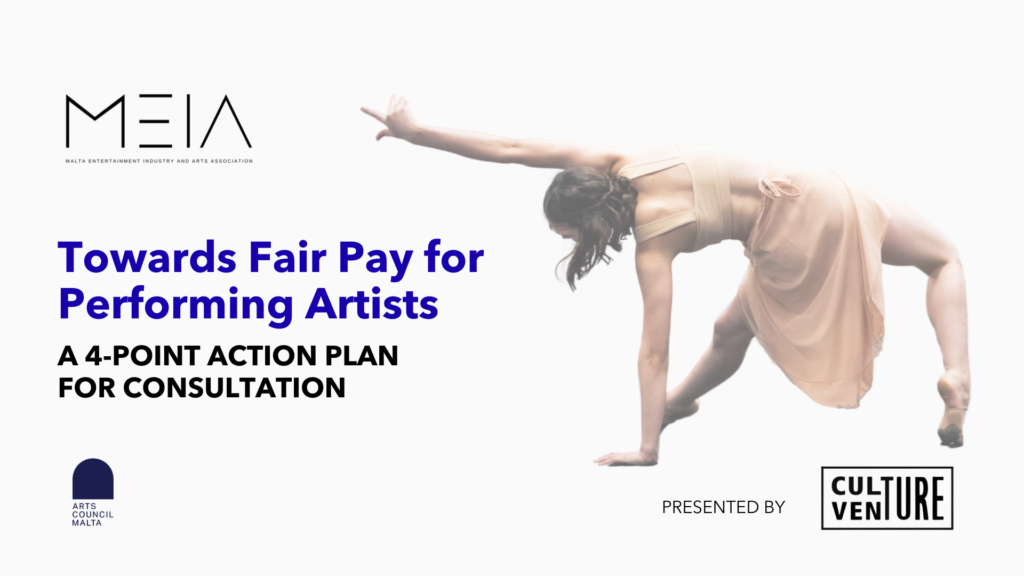
An Action Plan Towards Fair Pay for Performing Artists
The Malta Entertainment Industry and Arts Association (MEIA) launched the new position paper, Towards Fair Pay for Performing Artists in Malta. The paper is based on the study by Culture Venture and sets out a phased and consultative approach to address long-standing challenges in the sector.
The research, initially conceived to develop a sectoral rate card, revealed wider systemic realities that must be addressed first: inconsistent and often inadequate remuneration, informal or absent contracts, persistent pressure to work for free (22.6% not always paid; 3.1% never paid), and low use of written agreements (only 35.9% regularly sign before work begins).
The research also uncovered highlights in market failures and structural imbalances between public cultural organisations and the independent/private sector, which distort fair competition. These findings make clear that before setting binding rates, the sector must first acknowledge artistic labour fully and properly as work, counting preparation, rehearsal, call time, and performance, and address structural gaps and market imbalances across the cultural ecosystem.
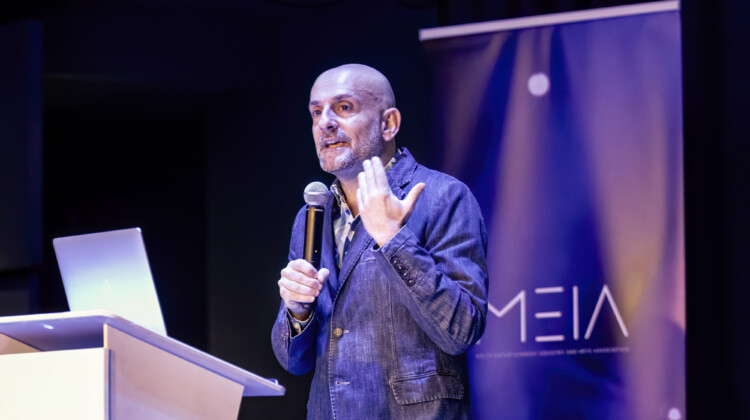
During the press conference, Toni Attard, Culture Venture’s Founder and Director outlined the research process in detail, the proposed action points, and the evidence and rationale that led to them.
The position paper proposes a four-point action plan:
1. Adopt Fair Payment Principles – recognising all artistic work as legitimate labour, guaranteeing no pay below the National Minimum Wage, securing written contracts, and safeguarding artists’ rights to negotiate and report malpractice.
2. Standardise Payment Models – introducing clear and transparent models that allow consistency in negotiations while reflecting the diversity of artistic roles and contexts.
3. Pilot a Sectoral Rate Card – through a member-led Fair Pay Working Group, beginning with the theatre sector, to establish transparent benchmarks for minimum payments and working conditions.
4. Strengthen Advocacy for Fair Pay – driving sustained campaigns, collective agreements, and engagement with policymakers to embed fair pay as a sectoral standard and a condition for public funding.
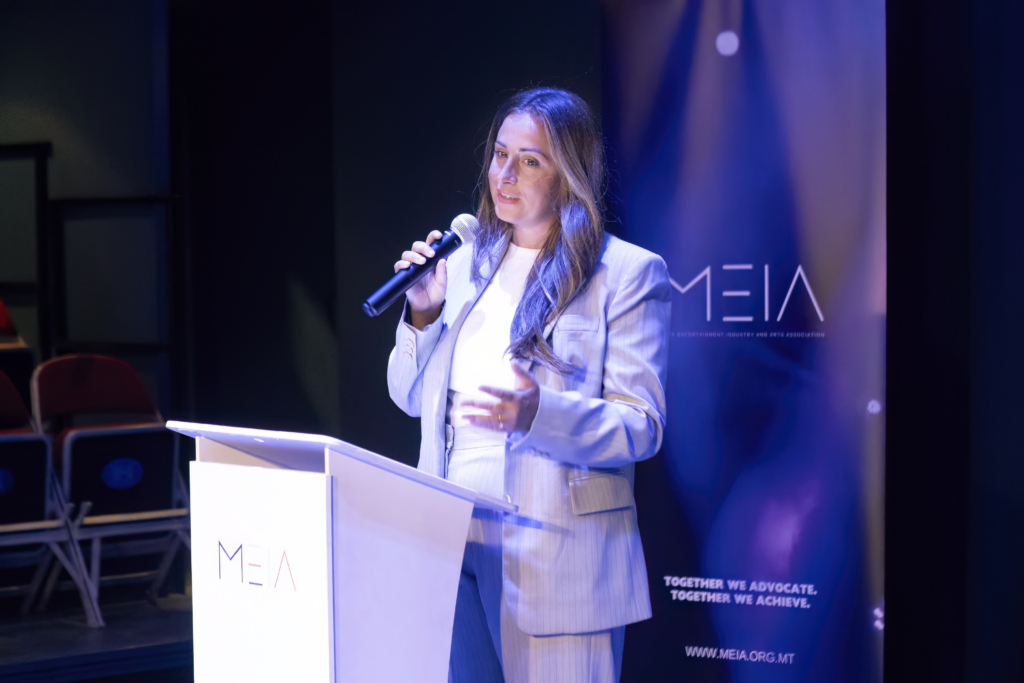
Maria Galea, President of MEIA, said, “This research shows that the issue is bigger than rates alone. Before setting standards, we must first recognise artistic labour in its entirety, acknowledging preparation, rehearsal, performance, and working conditions. Only then can we address market imbalances and build a fairer, more professionalised sector.”
The paper stresses that while voluntary and community-driven cultural activity remains invaluable, it must never replace or disguise professional labour. It calls for acknowledgement of the gaps and failures currently affecting the system, alongside constructive dialogue and consensus between public and private entities and stakeholders, as the foundation for sustainable reform.
To ensure the sector’s voice is central to this process, MEIA has opened a public consultation on the proposed action plan. Submissions are invited until 30th November via this link found on their website.
In parallel, MEIA has established a Fair Pay Working Group that will begin the process of piloting Malta’s first sectoral rate card, starting with the theatre sector.
This group will guide structured discussions with members, producers, and institutions to ensure the benchmarks reflect the realities of both artists and employers.
This initiative was developed following months of consultation with Culture Venture and was made possible with partial support from Arts Council Malta.
The public consultation process is open until the 30th November 2025 via this link.
The position paper can be accessed here: